
ASEA is a wellness company with a growing portfolio of products that focus on cellular health, skin care, performance, and everyday wellness. As that portfolio has expanded, so has the importance of understanding the standards behind ASEA products. Including, but is not limited to, how different products are classified, which regulatory requirements apply to them, and how ASEA approaches manufacturing, quality, and product testing.
Two of the company’s foundational products illustrate these distinctions. In the United States, ASEA Redox Cell Signaling Supplement is classified as a dietary supplement, while RENU28 Revitalizing Redox Gel is a topical cosmetic product. These classifications affect the regulatory requirements that apply to each product and are an important part of understanding ASEA product safety.
Beyond regulatory requirements, ASEA also emphasizes manufacturing oversight, quality standards, and testing throughout its production process. Together, these measures help establish consistent standards across a product portfolio that now extends well beyond the company’s flagship redox signaling products.
How Are ASEA® Products Classified and Regulated?
In the United States, ASEA Redox Supplement is classified as a dietary supplement. This means that it is regulated by the U.S Food and Drug Administration (FDA), but it’s not FDA-approved.
The distinction between FDA-regulated and FDA-approved is important. Dietary supplements operate under a different regulatory framework than drugs and conventional food products. Manufacturers and distributors of dietary supplements generally do not need to receive FDA approval before bringing their products to market.
Instead, companies are responsible for ensuring their dietary supplements are safe and that product labeling and claims comply with applicable laws and regulations. The FDA has authority over dietary supplements and establishes requirements governing areas such as manufacturing practices, labeling, and safety.
ASEA is responsible for following the FDA requirements applicable to its dietary supplement products, including ASEA Redox Supplement. This regulatory oversight should not be interpreted to mean that the FDA has evaluated, certified, endorsed, or approved ASEA products.
Different requirements apply depending on how a product is classified. For example, RENU 28 Revitalizing Redox Gel is a topical cosmetic rather than a dietary supplement. As ASEA’s portfolio has expanded across skin care, nutrition, performance, and other wellness categories, the company is responsible for meeting the applicable requirements for each product it offers.
For a closer look at the ingredients, testing, and regulations behind the company’s products, read more about ASEA product safety.
How Does ASEA Approach Manufacturing, Testing, and Quality?
Regulatory classification is only one part of the larger picture. ASEA manufacturing also emphasizes oversight of how products are produced and tested.
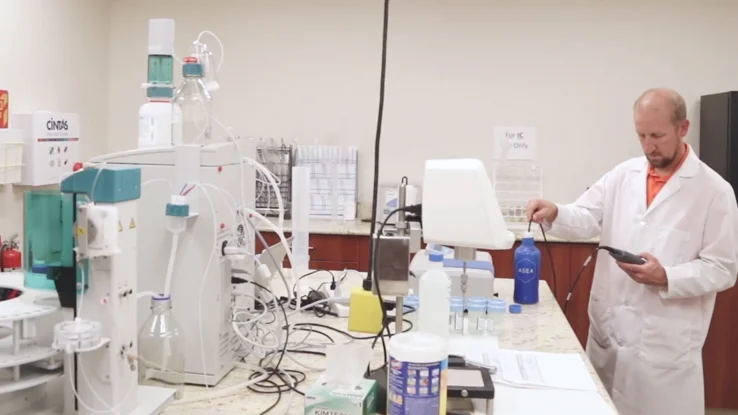
ASEA invested in developing its own production center rather than relying entirely on outside manufacturing. Operating its own facility gives the company greater oversight throughout the manufacturing process, including production and quality control.
The ASEA production center maintains standards and registrations supporting the manufacture of the company’s products. Current ASEA materials identify the facility as meeting FDA registration and NSF registration requirements, as well as Good Manufacturing Practices (GMP) compliance and Halal certification requirements.
GMP standards are particularly important in dietary supplement manufacturing because they establish requirements for areas such as production processes, quality control, testing, facilities, and recordkeeping.
ASEA’s production facility is registered with the FDA and operates in accordance with applicable current Good Manufacturing Practice requirements for dietary supplements under 21 CFR Part 111.
ASEA Product Testing and Third-Party Research
ASEA product testing extends beyond the company’s own manufacturing processes. ASEA has also worked with third-party researchers and laboratories to evaluate its products and redox signaling technology.
The company has invested in third-party research involving products including ASEA Redox Supplement and RENU28. In a safety study referenced in ASEA’s research materials, participants consumed ASEA Redox Supplement for 12 weeks, with no adverse effects reported during the study period.
ASEA has also established relationships with independent laboratories for testing related to its redox products. Third-party testing provides an additional way to assess product characteristics and support quality-control efforts alongside the standards maintained during manufacturing.
These different layers, from regulatory compliance and manufacturing standards to internal quality controls and third-party testing, work together as part of ASEA’s broader approach to product quality and safety.
Explore ASEA Products for Your Wellness Routine
Today, ASEA products extend beyond the company’s flagship ASEA Redox Cell Signaling Supplement, with options developed to support a range of skin care, performance, nutrition, and everyday wellness needs.
The company’s portfolio includes redox signaling products, as well as topical skin care, performance-focused supplements, and nutrition and wellness products designed to fit into different daily routines and wellness goals.
Whether you’re interested in ASEA’s redox technology, looking to build a skin care routine, exploring performance support, or adding everyday wellness products to your routine, you can browse the company’s current offerings in one place.