


Muscle recovery shouldn’t be just a footnote in your workout plan–it should be the final step of every great workout. Muscle recovery is important for everyone, but for women, it’s especially important because our physiology adds layers of complexity that often go unnoticed. Fluctuating estrogen levels, shifting energy demands during hormonal cycles, and differences in lean muscle mass and metabolism all influence how quickly and efficiently your body can recover after a tough workout. When recovery is subpar, the results are all too familiar: lingering stiffness, unexpected fatigue, and plateaus that feel like dead ends.
Whether you’ve realized this or not, muscle recovery after workouts is the foundation of your strength–cracked or solid, the strength of your foundation determines the strength and effectiveness of everything built on top of it. When recovery is done right, muscles rebuild stronger and energy stabilizes.
What Happens During Muscle Recovery
Every workout creates tiny micro-tears in your muscle fibers. These tears aren’t damage to fear–they’re signals, calling your body into action. Through cell-signaling pathways, your body communicates and initiates the repair process by recruiting nutrients to rebuild stronger muscle fibers.
Certain factors can disrupt the cell signaling process and negatively impact the recovery process, slowing it down and compromising efficiency. For women, this slowdown can feel even more frustrating because so many hidden factors that work against efficient recovery are women-specific and may not even be on your radar. If you’re hitting your workouts, but not seeing the results that align with your effort, some of these factors might be inhibiting your progress:
- Fluctuating estrogen levels can affect muscle protein synthesis, robbing your body of efficient use of the basic building block of muscle recovery: protein.
- Inadequate protein–many women do not eat enough protein to support efficient recovery.
- Hormonal phases can slow glycogen restoration (the conversion of carbohydrates from your diet back into glycogen so your muscles have fuel). When glycogen restoration is slow, you may feel tired or sluggish.
- Menstrual cycles can produce metabolic shifts. Changes in hormones like estrogen and progesterone change how the body uses fuel, regulates appetite, and responds to exercise. During menstruation, estrogen rises, while progesterone stays low. This tends to increase insulin sensitivity.
When you combine the women-specific barriers listed above with everyday stressors, like poor sleep, overtraining, environmental and lifestyle stressors, and oxidative or chronic stress, the barriers to muscle recovery and the building of a strong foundation that won’t crack seem like a tall order.

How to Help Muscles Recover Faster
Fast muscle recovery for women starts with smart, simple habits that work with your biology, not against it. Follow these practical tips to improve muscle recovery:
Eat Greens First
This slows down the rate at which sugar enters your bloodstream. When blood sugar is stable, insulin can work more efficiently to restore glycogen. Fast glycogen restoration leads to reduced stiffness and faster muscle recovery.
No Naked Carbs
Always pair your carbohydrates with protein. Protein boosts satiety, so pairing it with carbs keeps cravings down and energy levels up. This is especially helpful around hormone shifts when hunger and blood sugar levels can be unpredictable. When you eat carbs and protein together, insulin rises just enough to help shuttle amino acids from protein and glucose from carbs to your muscles. Translation: faster repair and less stiffness.
Don’t Skip Antioxidants
Antioxidants are on the cleanup crew after a workout, neutralizing free radicals that can build up and cause oxidative stress. Antioxidants also protect muscle fibres and help your energy levels stay consistent.
Hydrate, Hydrate, Hydrate
Muscles need fluid to transport nutrients like protein and carbohydrates, to flush out waste products, and maintain optimal cell functioning and communication. Even mild dehydration can increase fatigue, slow glycogen restoration, and make stiffness worse. Staying well-hydrated also helps support joint lubrication.
Embrace Redox Technology
Want an even smarter muscle recovery plan? Use Redox cell signaling technology. Redox signaling molecules are naturally produced in your cells. They play a key role in detecting cellular stress or damage. But stress, hormonal shifts, and heavy training can throw those cellular signals off. Using supplements that contain redox signaling technology can support your body’s natural cellular communication that initiates and regulates the muscle repair process, preventing the spread of cellular dysfunction.
For women whose energy, strength, and metabolism naturally fluctuate, redox signalling technology is a game-changer. Better redox balance means quicker muscle repair and less post-workout stiffness.

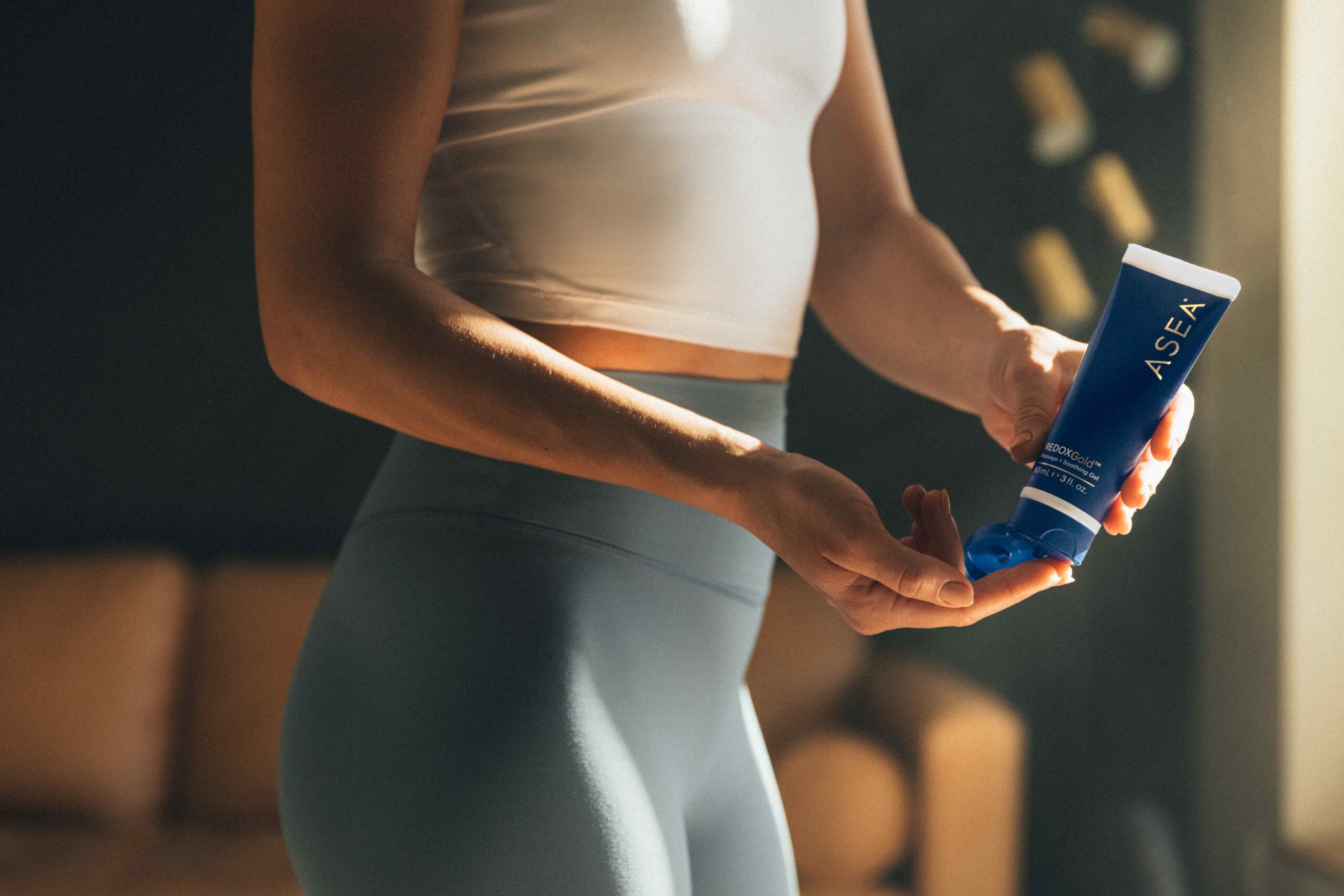
REDOXGold Massage and Soothing Gel To Your Post-Workout Rescue
Don’t let stiff muscles slow you down. REDOXGold Massage and Soothing Gel absorbs quickly for fast-acting comfort and soothing discomfort for women who train hard.
This clinically tested, safe and effective, non-toxic gel uses both redox technology and elemental gold to support your body’s natural muscle recovery process, delivering soothing discomfort for overworked muscles and joints. Safe for all ages, try REDOXGold Massage and Soothing Gel today and experience the difference your body can’t live without.